
Why Men Don't Reach Out
And What Actually Saves Lives
Last Friday I sat on the Suicide and Men panel at the Every Life Matters Suicide Prevention Conference 2026, hosted at the Rheged Centre in Penrith and chaired by Mike Zeller of BBC Radio Cumbria.
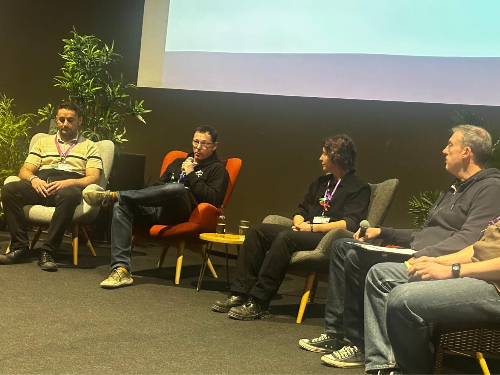
The question we kept circling was the one most people get wrong.
The Wrong Question
We are often asked why men don't talk. Why they don't reach out. Why they don't seek help until it is too late.
But the premise is incomplete. Men do talk. Just not always in the ways we have been trained to look for.
The more honest question is this. What did we build around them that made reaching out feel like a bad idea?
What Stops Men Asking for Help
When I was asked about my own barriers, I told the truth. The first time I reached out, my confidentiality was breached. I ended up in a secure unit. Isolated. Medicated. Cut off from nature, fresh air, and movement - the very protective factors that had been keeping me well.
That experience made me significantly less likely to ask for help the next time I needed it.
That is not weakness. That is a rational response to a harmful experience.
What Actually Helps
Men often process difficult thoughts and feelings through movement, activity, and a changing visuospatial environment. Engage the body, and the threat response drops. Walk side-by-side rather than sit face-to-face, and a different conversation becomes possible.
This is why my therapy work happens outdoors as often as indoors. It is not a gimmick. It is the architecture men need.
Two words for what changes things. Proximity and trust.
The turning point for a man in crisis is rarely a helpline number or a poster. It is one person who stays present without flinching. Who does not try to fix it. Who says, with their actions more than their words, I am not going anywhere.
What to Do for Someone You Love
Ask him directly. Are you thinking about suicide? Saying the word does not plant the idea. It almost always brings relief.
If he tells you something, protect that trust like his life depends on it. Because it might. Do not panic. Stay with him first.
If you believe he needs professional crisis support, talk to him about it. Tell him why. Listen. Agree a way forward together.
Do not do it to him. Do it with him.
That is the difference between care and control. Between a man feeling held and a man feeling handled.
If you or someone you care about is looking for 1-1 support, reach out to talk to me.
If you're looking for emergency support or are concerned about someone you love, click below.


Comments